
The World of Nox Hollow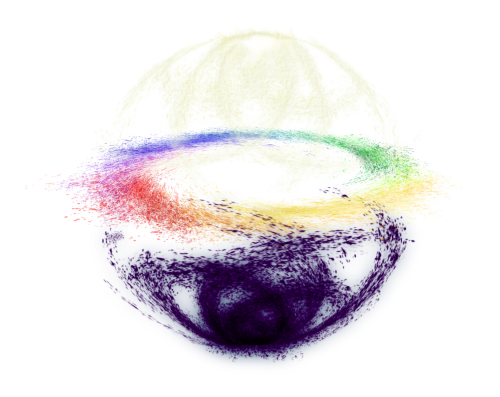 Magic is the force of will and magical energy is referred to as Mana. It can be categorized GENERALLY into 6 mana types, the most common are the 4 elemental types: Earth, Air, Fire, and Water. Additionally, there are 2 non-elemental types: Light and Void.
-Elemental Mana- The 4 elemental types are the easiest to use, especially in their pure form. Most mages are able to cast spells using the 4 basic manas, such as conjuring water or lighting a fire. Using combinations are also possible, such as making steam using fire and water together. The strength and duration are, of course, dependent on the casters affinity and capacity (see magic affinity). -Non-elemental Mana- Light and void mana are the most difficult to use. Light mana is predominantly used in healing, but can also create illusions with significant practice. Simple light spells can produce enough light to see by, such as that of a flashlight. It can be combined with other elements such as wind to create a “flash bang” effect. Light mana is thought of as “creation” magic. Void mana is the most difficult to use in pure form and is considered by most mages as DANGEROUS; the mana of chaos and “unmaking”. For the most part, it’s only used by the most accomplished in combination with other elements such as removing heat (void and fire) or creating ice (void, fire, and water). Its use in a pure state is unpredictable and has resulted in explosions, loss of limbs, and disintegration of those experimenting with it. The average mage is taught to avoid its use from a young age and rarely develop an affinity with it. -Magic Affinity- A mage’s mana affinity is random and set at birth. While most mages can use the 4 elemental manas, they usually find with practice 1-3 types are easier to use. But affinity also encompasses "capacity", or the internal mana store of a mage. While a mage may find it easier to cast spells using a certain type of mana, their internal store may be small or replenish at a slower rate. Casting a spell uses both internal mana as well as gathering natural mana in a localized area, thus the environment can also play a part. Having a “High Affinity” usually means the mage is able to more easily gather and use a type of mana and either has a large internal capacity or at least a faster than normal recovery rate of the internal store. The complex relationship between the ease of casting, internal capacity, and replenishing rate make discovering one’s affinity very personal and experience driven. -Casting Spells- Casting spells in the world of Nox Hollow is based on visualization and intent. A mage will visualize what the spell will do and focus on gathering mana with that intent. Then they will use an incantation to “activate” the spell. Over the centuries, this process has been set into a traditional teaching method, instructing pupils on the feeling of gathering mana and the visualization of the outcome by witnessing examples. This has resulted in the current thinking of specific incantations resulting in specific spells, and thus a rigid adherence to PROPER incantation to activate a spell. -Focals- A focal allows a mage to gather and “focus” mana through it to project a desired spell effect. Mages are unable to project spells beyond a few inches from the body (usually with hands) without a focal. The most common focal in use today is a wand (see more on wands), though staffs or rods/cepters (usually disguised as walking canes) have been more prevalent in history. The most successful focals are produced using mana wood (see more about mana wood) and combining it with parts of a mana producing animal, or “manamal”. This process is a closely guarded secret of wandmakers and other makers of focals, and can vary from maker to maker. -Magic Wands- Wands are the most common focal used in the current world, as they are smaller and easier to carry and conceal in the presence of Mundanes (see more about mundanes). Wands are made from mana wood selected by the maker, having determined the types and numbers of mana channels that have developed in the wood. Their creation is a mystery to most, but it is understood a wandmaker somehow combines parts of a manamal into the wand, giving it its own “instinct” and complimenting or enhancing the wood's natural mana channels. Wandmakers spend their lives apprenticing under master wandmakers to learn the art and develop their secret methods. -Mana Wood- Mana wood is any type of wood with a high quantity of mana channels suitable for use with magic. Trees that grow in dense magical energy, such as a ley line, are most likely to draw in mana and develop channels. Every species of wood is different in its affinity and certain species will tend to develop a larger quantity of specific mana channels. Because wood grows organically, even pieces from different trees or even different parts from the same tree will vary in the types of mana channels it contains. Some wood is good for structural or device use (see more on magic devices), but may not be suited to make focals such as a wand. Mana woods are typically harvested by mages specially trained and are often regulated heavily. -Mundanes- Mages (or those with the ability to use magic) refer to those that cannot as “Mundanes”. The use of magic and the existence of mages is kept a strict secret from mundane society. The term “Mundy” is a derogatory term to refer to mundane people used by some mages, especially those that see mundanes as “lesser”. -Magic Devices- A magical device is any machine, tool, or object that has been altered or created to store and/or use mana. Spells created with a focal require a mage to visualize and focus to maintain the effect. Once the spell is complete, it will fade, and any physical matter will break down into its natural mana components once focus is lost. A magical device uses magic circles and inscriptions to function as a simple “program” to direct mana in the device. Once the device is activated, it will run the program until it’s directed to stop or runs its course. A simple example of a magic device is the crystal street light. Certain types of crystals are suited to store magical energy. When combined with the proper metals and magical inscriptions, a lamp may gather mana passively during the day and store it in the crystal. At night, the stored mana may be released through the program to emit a simple light spell and provide light to an area. Complex devices can be made with significant effort and knowledge, such as a hoverbag or flybike. Magic devices can be made from scratch or can be created using mundane objects with the proper alterations. |
| Website contents coppyright 2023 by Nox Hollow. |